
Early Learning Centre near Kellyville - Beaumont Hills, NSW
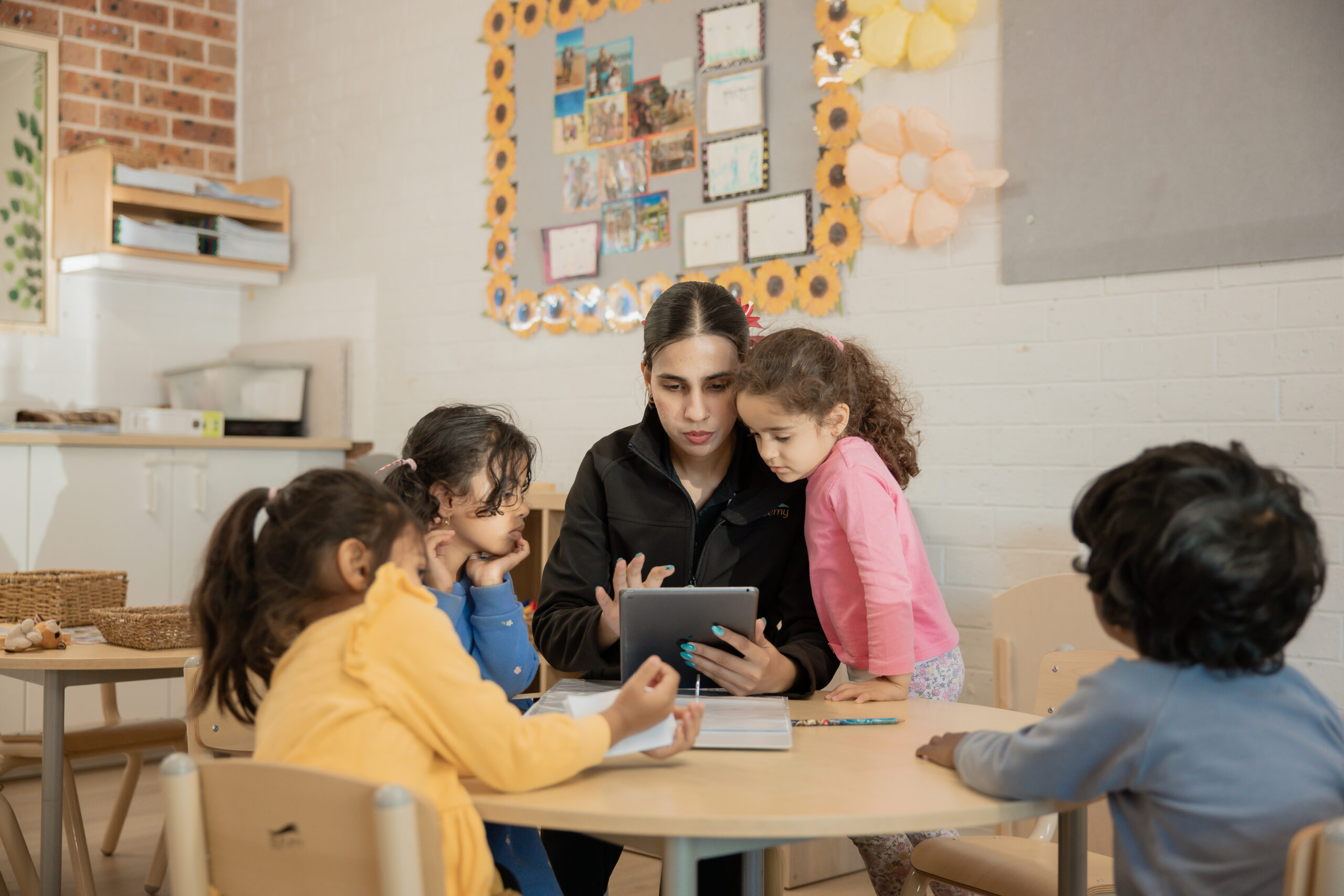
For many families searching for an early learning centre near Kellyville, the decision often comes down to more than proximity. Parents are usually looking for a place where their child slowly builds trust, recognises familiar educators each morning, and starts to feel genuinely at ease in a new environment.
At Over The Hills Academy in Beaumont Hills, children aged 6 weeks through to school age are supported through steady routines and play-based learning. Over time, what often stands out for families is not just what children learn, but how comfortably they begin to settle into their day.
You might notice it in small moments — a child walking in confidently toward an educator they know well, or another quietly sitting down to start their morning activity without hesitation because the routine feels familiar.
A Steady and Comfortable Daily Rhythm
Each child begins their day differently, and educators allow space for that.
Some children arrive ready to jump straight into play — heading toward puzzles, books, or construction areas. Others prefer a slower start, sitting near an educator or watching what their friends are doing before joining in.
As the morning continues, you’ll often see children naturally move between experiences. A group might be outside in the sandpit building together, while others are indoors painting, exploring sensory play, or engaged in small group activities.
At different points in the day, these spaces blend together. A child might start a drawing inside, then take it outside to show a friend, then return later to finish it.
Lunch is shared together as part of the daily routine. It’s often a calm moment where children talk about what they’ve been doing that morning, sometimes proudly showing what they’ve built or created.
After rest time, the afternoon becomes quieter. Some children enjoy storytelling or art, while others continue focused play they started earlier in the day.
Rather than rushing through activities, children are given time to stay engaged, revisit interests, and move at a pace that suits their age and energy.
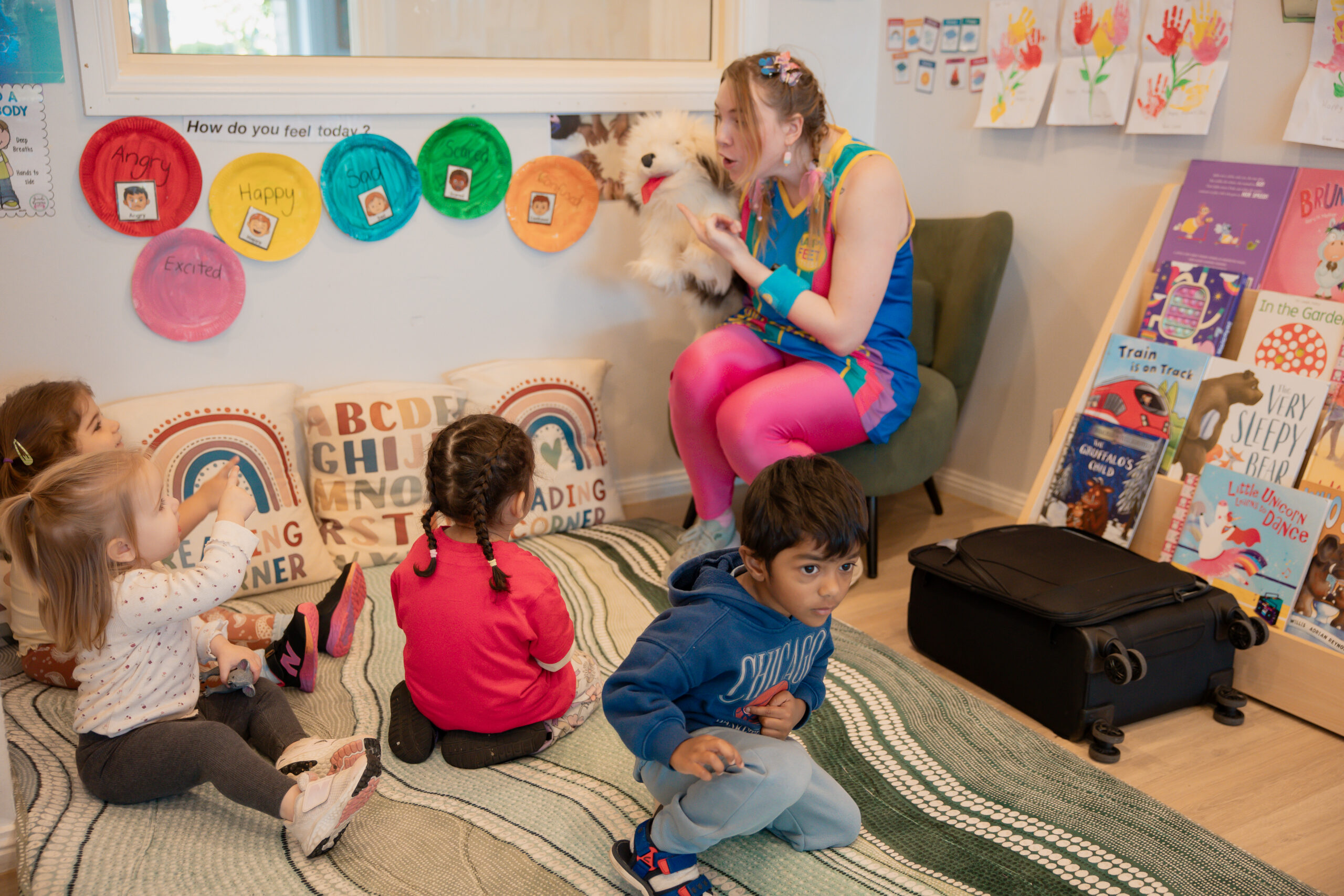
Meals and Everyday Care
Meals are prepared onsite each day and shared together, helping children develop consistent routines around eating and social interaction.
Mealtimes often feel calm and social. Children sit together, talk about their day, and practice independence by serving themselves or cleaning up when finished.
Families are also supported with everyday essentials like nappies and wipes, which helps make mornings simpler and reduces what needs to be packed each day.
Learning Across Different Age Groups
Babies (6 weeks to 2 years)
For babies, the day is built entirely around comfort, routine, and connection.
You’ll often see educators sitting on the floor beside babies during play, talking softly, or holding eye contact during feeds. Some babies enjoy sensory baskets with soft fabrics, while others respond to music or gentle movement activities.
Over time, babies begin recognising familiar voices and routines. One of the first signs of settling in is when they start reaching out confidently to educators they see every day.
This stage is strongly guided by the Early Years Learning Framework (EYLF), focusing on secure attachments, communication, and early sensory exploration.
Toddlers
Toddlers are often the most expressive and energetic part of the day.
One morning might include finger painting or water play outdoors, while another might involve dancing to music, building with blocks, or listening to a favourite story read aloud more than once.
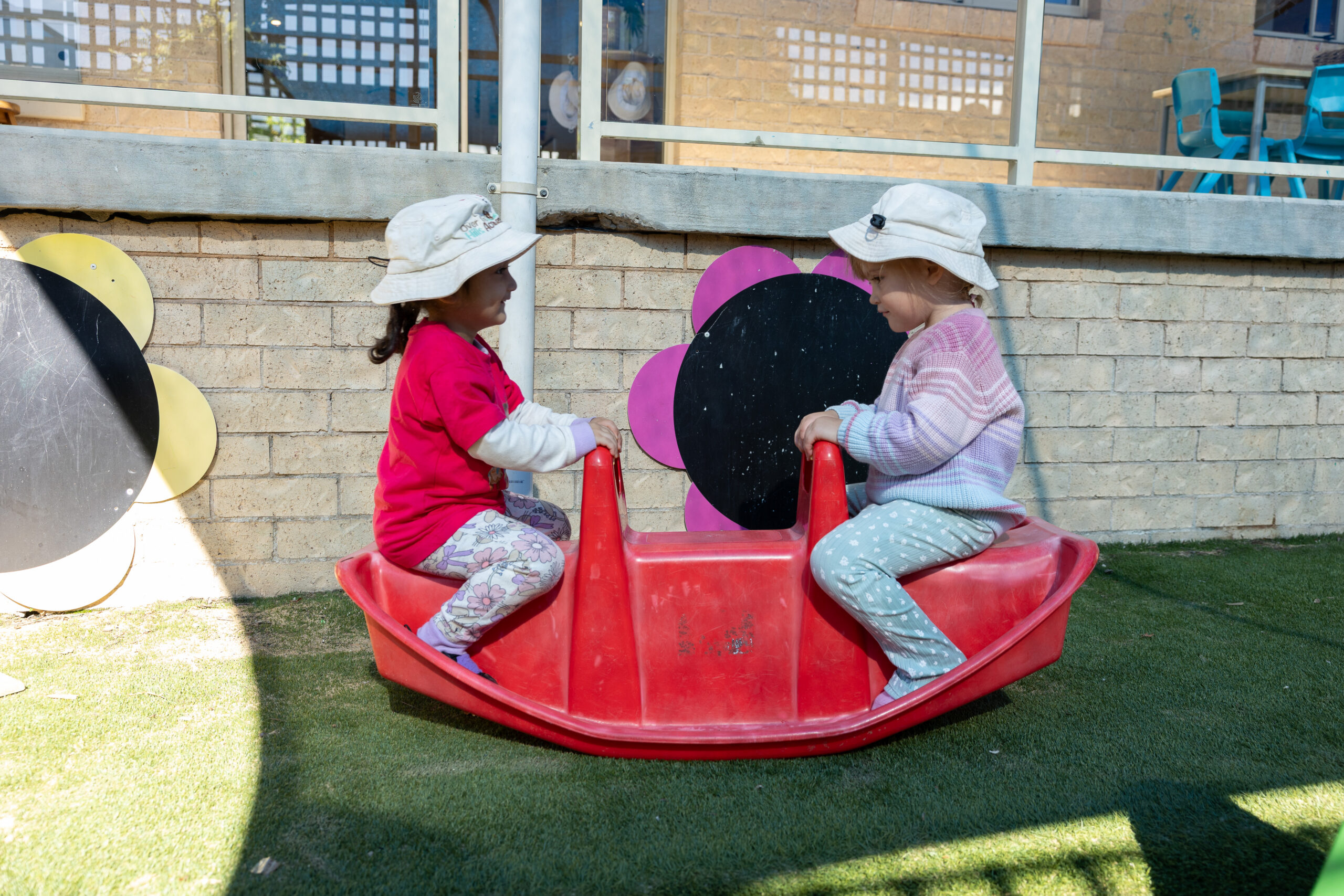
Outside, you’ll often see toddlers learning side by side — riding bikes, trying climbing equipment, or figuring out how to take turns. These moments are just as important as structured activities, as they help build early social development and independence.
There are also quieter moments, like sitting beside a friend watching what they’re building, or bringing an educator a toy to show what they’ve discovered.
Preschool (3–5 years)
In the preschool room, learning becomes more intentional, but still remains play-based and hands-on.
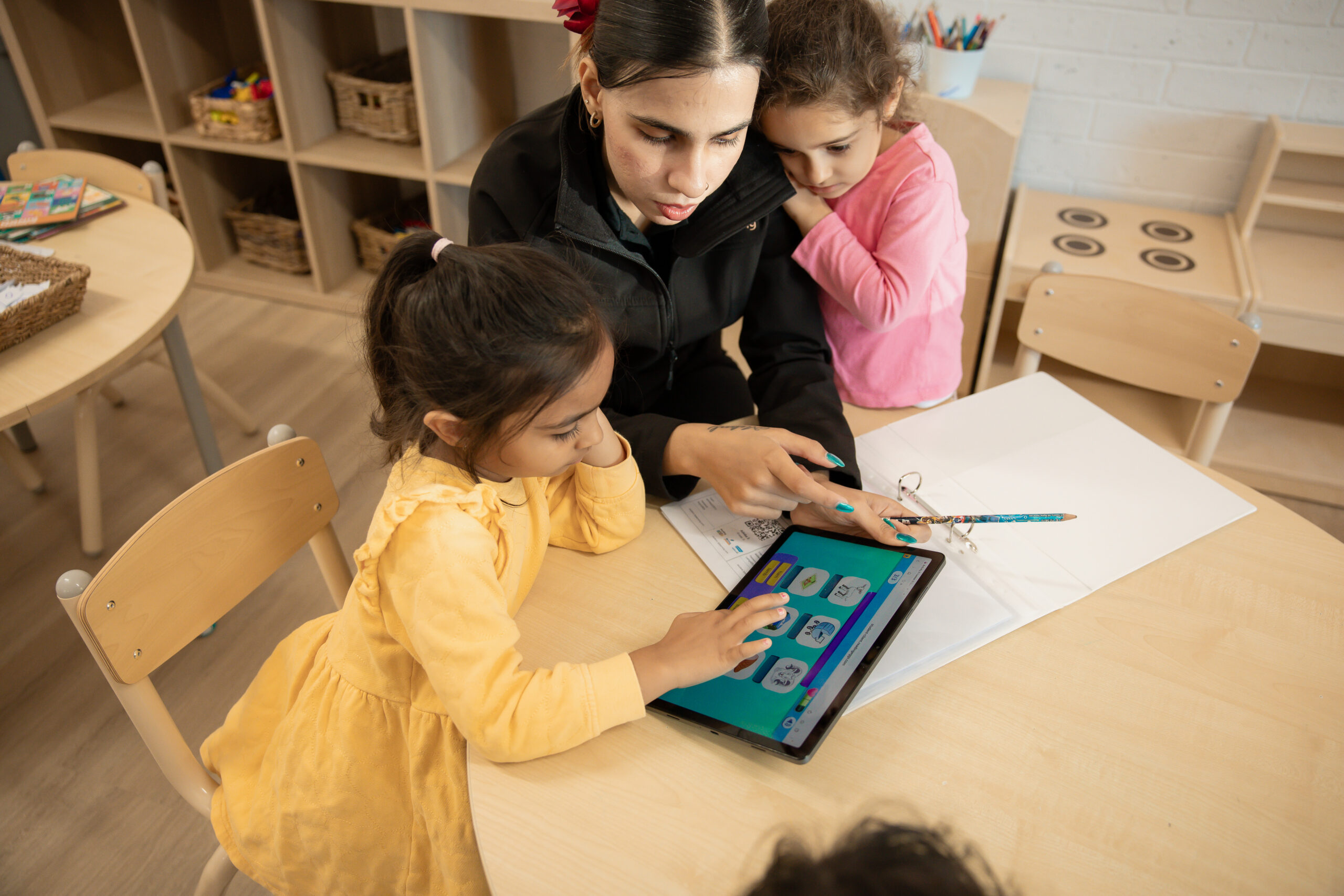
Children take part in Reading Eggs literacy activities, Smartboard learning, early numeracy games, group discussions, and storytelling sessions. These are often followed by creative experiences where children design, build, paint, or collaborate on shared projects.
You might see a group of children working together to build a tower, discussing how to make it taller, or helping each other sound out letters during a group literacy activity.
These experiences gradually support kindergarten preparation and transition to school, helping children become familiar with classroom-style routines while still learning through play.
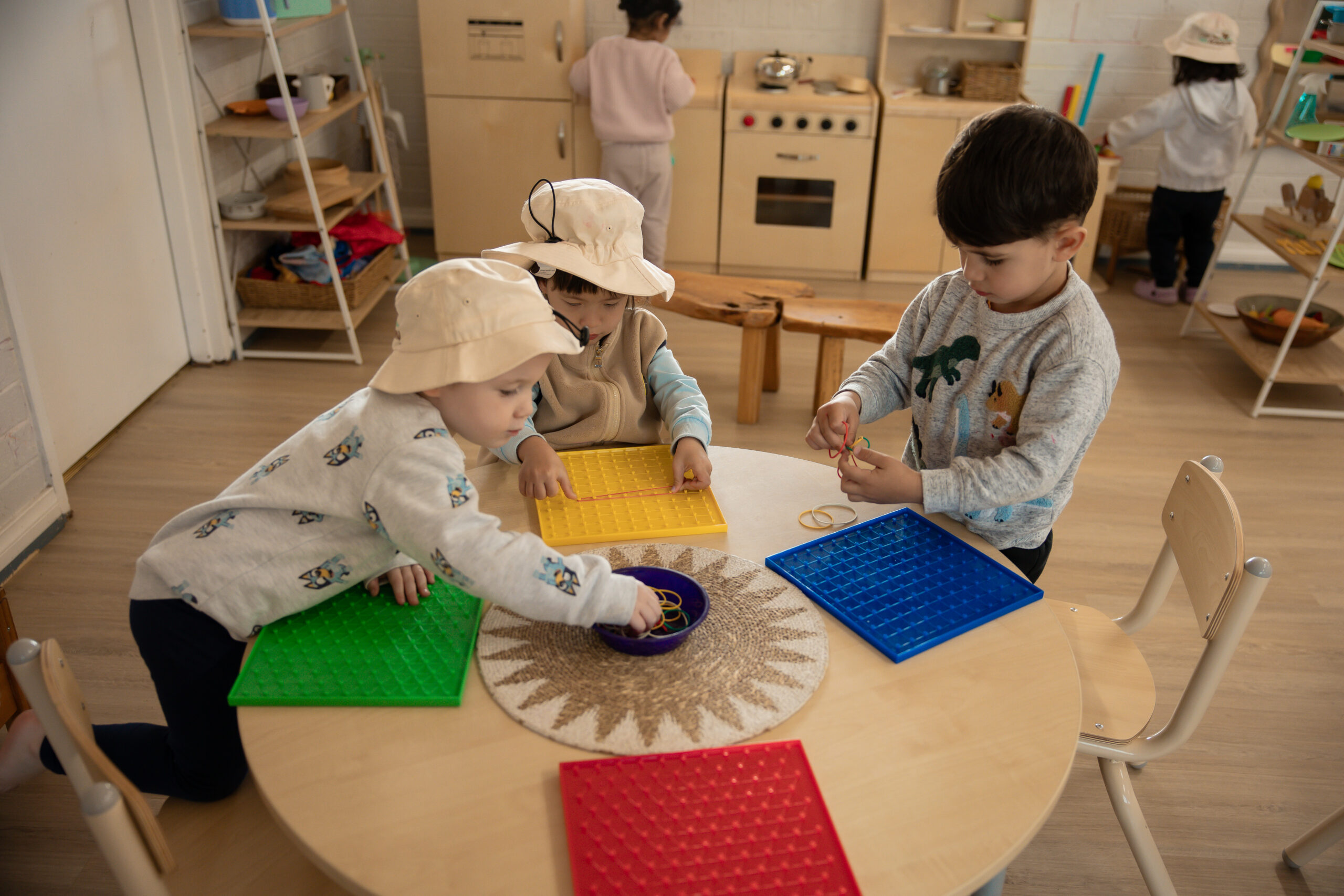
School Readiness Through Daily Experience
School readiness is not treated as a separate program — it naturally develops through everyday routines.
Children gradually learn how to:
- Follow group instructions
- Transition between activities
- Ask for help when needed
- Participate in group discussions
- Manage small responsibilities independently
You’ll often see these skills in action during group time, where children raise their hands, listen to instructions, or work together to complete simple tasks.
By the time they move on to primary school, many children already feel familiar with the idea of structure, group learning, and classroom expectations.
Indoor and Outdoor Learning
Inside the centre, learning spaces are designed to support choice and independence.
Children move freely between reading corners, creative areas, building zones, and quieter spaces depending on what they are drawn to that day. Some children stay deeply focused in one area, while others explore multiple spaces throughout the morning.
Outside, the environment is active and constantly changing.
Children climb, run, dig, balance, ride bikes, and engage in group games. These experiences support physical development, coordination, and confidence building through movement and exploration.
Often, outdoor play becomes a space for problem-solving — figuring out how to work together, share equipment, or build something as a group.
Communication with Families
Families receive ongoing updates throughout the day covering meals, rest, and learning experiences.
Rather than occasional check-ins, communication is consistent, helping parents feel connected to their child’s routine and day-to-day experiences.
Many families say this ongoing connection helps them feel reassured, especially in the early weeks of settling into care.
Why Families Choose This Centre Near Kellyville
Families from Kellyville often choose Over The Hills Academy because of the consistency children experience each day.
Seeing the same familiar educators helps children build trust over time. Drop-offs gradually become easier, and many parents notice their child becoming more confident walking into the room, recognising their environment, and engaging with friends.
One of the things families often mention is how quickly children begin to feel “at home” — not because everything is new and exciting, but because the routines, educators, and daily rhythm become familiar and predictable.
This sense of stability is often what makes the biggest difference during the first few weeks.
Book a Visit
The best way to understand the centre is to visit in person.
Families are welcome to tour the rooms, observe how children move through their day, and meet the educators who support them.
Seeing the environment firsthand often helps parents picture how their child will settle into the routine.
Phone: 02 9629 6799 / 02 9629 5944
Email: info@overthehillsacademy.com.au
Frequently Asked Questions
Child Care Subsidy (CCS) is a government payment that reduces childcare fees for eligible families. The amount depends on income, activity levels, and hours of care.
If a child becomes unwell, families are contacted straight away. The child is cared for in a quiet, supervised space until they are collected.
A hat, spare clothes, and a comfort item if needed are usually enough. Bottles or formula may be required for younger children.
Children are supported gently through consistent routines and familiar educators, allowing them to adjust at their own pace.
Yes, families receive regular updates about meals, rest, and daily activities.
Families can call or email to book a tour at a time that suits them. Visiting the centre is the best way to see the environment and meet the educators.